“She's ill today”: from a phone call to a closed absence
Reporting an absence takes a minute. Closing it — the excuse, the deadline, the doctor's note, the decision and the record — takes a process. Here is one that does not depend on the class teacher's memory.
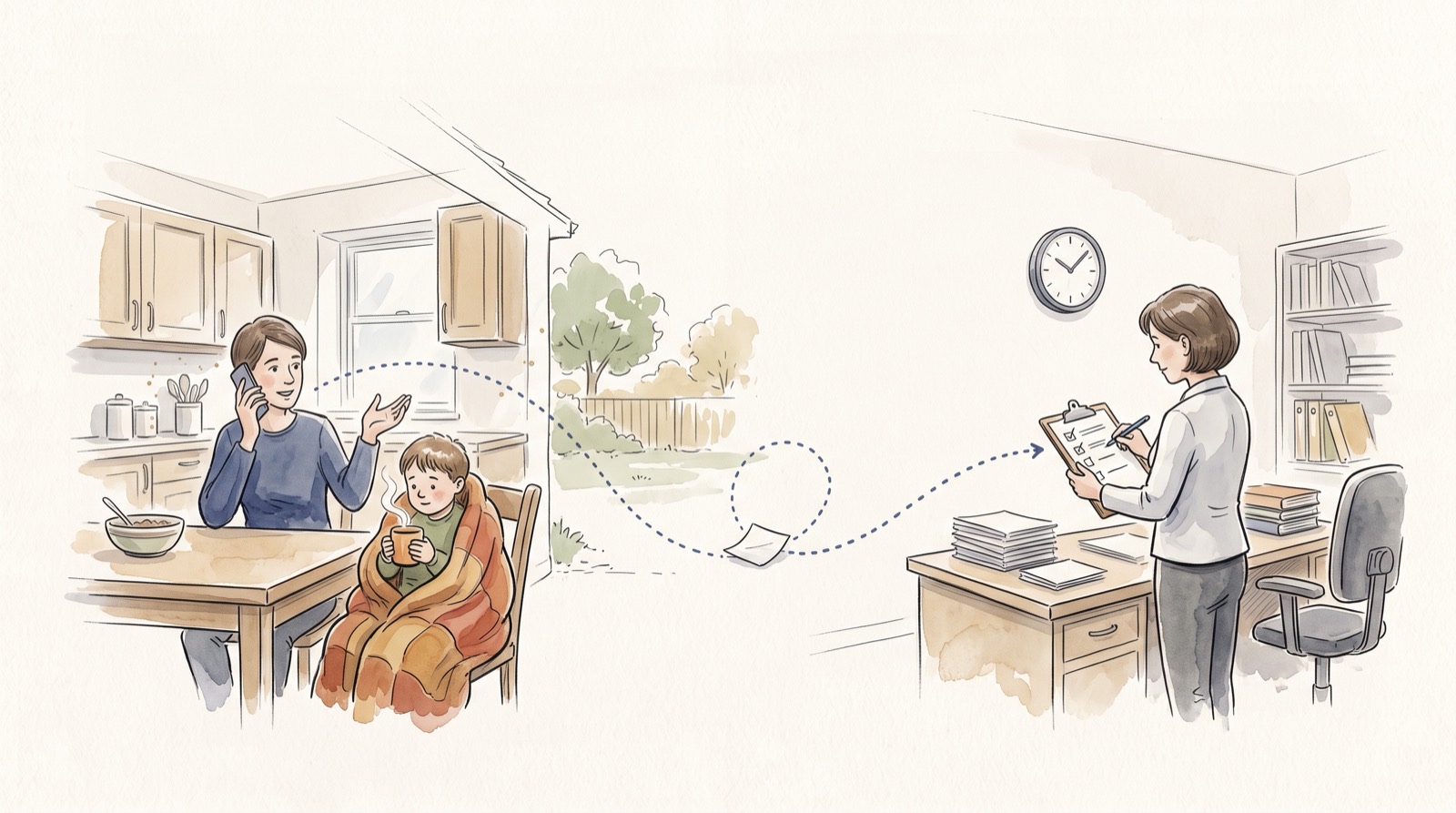
Every school day starts with a handful of messages like it: a parent on the phone at 7:15, a note handed in at the door, a message in an app. Taking the message is easy. What happens after it is where schools differ — and where the questions come from at the end of term, when a report shows twelve unexcused days and a family says they called every time.
An absence is not finished when it is reported. It is finished when someone with the right to decide has decided whether it is excused, and the record says who, when and why. This guide walks through that trail.
Three different things: reported, excused, decided
Most confusion about absences comes from treating three steps as one:
- Reported — the school knows the student is away, and who told it.
- Excused — the family has given a reason, in the form the school requires.
- Decided — someone allowed to decide has accepted the reason, or not.
A phone call reports an absence; in many systems it does not excuse it. Where a written excuse is required, the absence stays open until it arrives — and the school needs a rule for what happens when it does not.
The list nobody wants: absent, and nobody told us
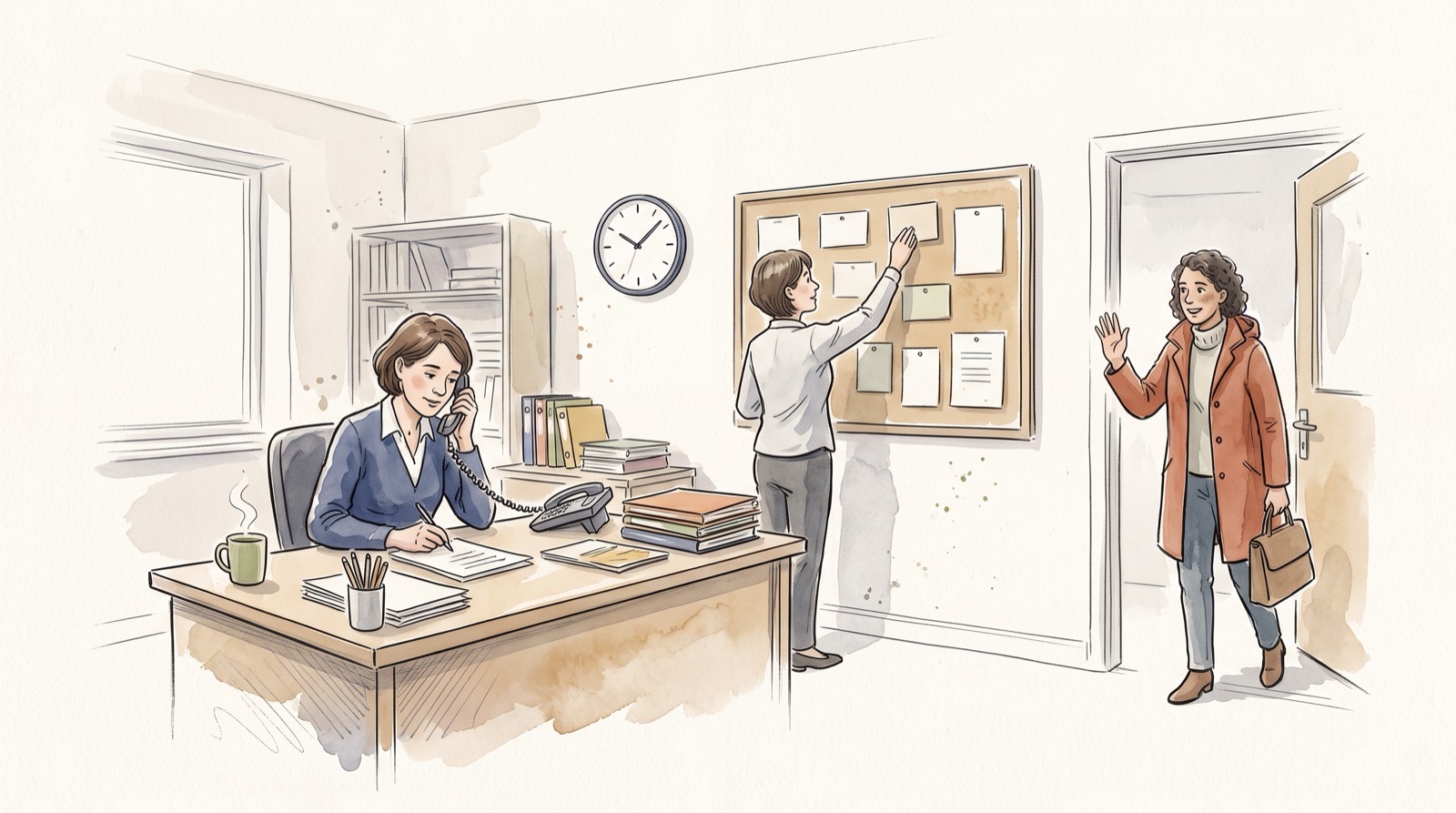
The most important list in the attendance system is the shortest: students marked absent in the register whom nobody has reported. These are the calls the office makes first. Every call should leave a line in the absence's history — “family reached by phone, 9:05” — because that line is what answers the question later.
Who decides which reason
Not every reason belongs to the same person. A common pattern:
| Reason | Usually decided by |
|---|---|
| Illness, a doctor's appointment | The class teacher, or the office where the school delegates it |
| A family event, leave before a holiday | The class teacher up to a day limit; school management beyond it |
| Anything, at any time | School management |
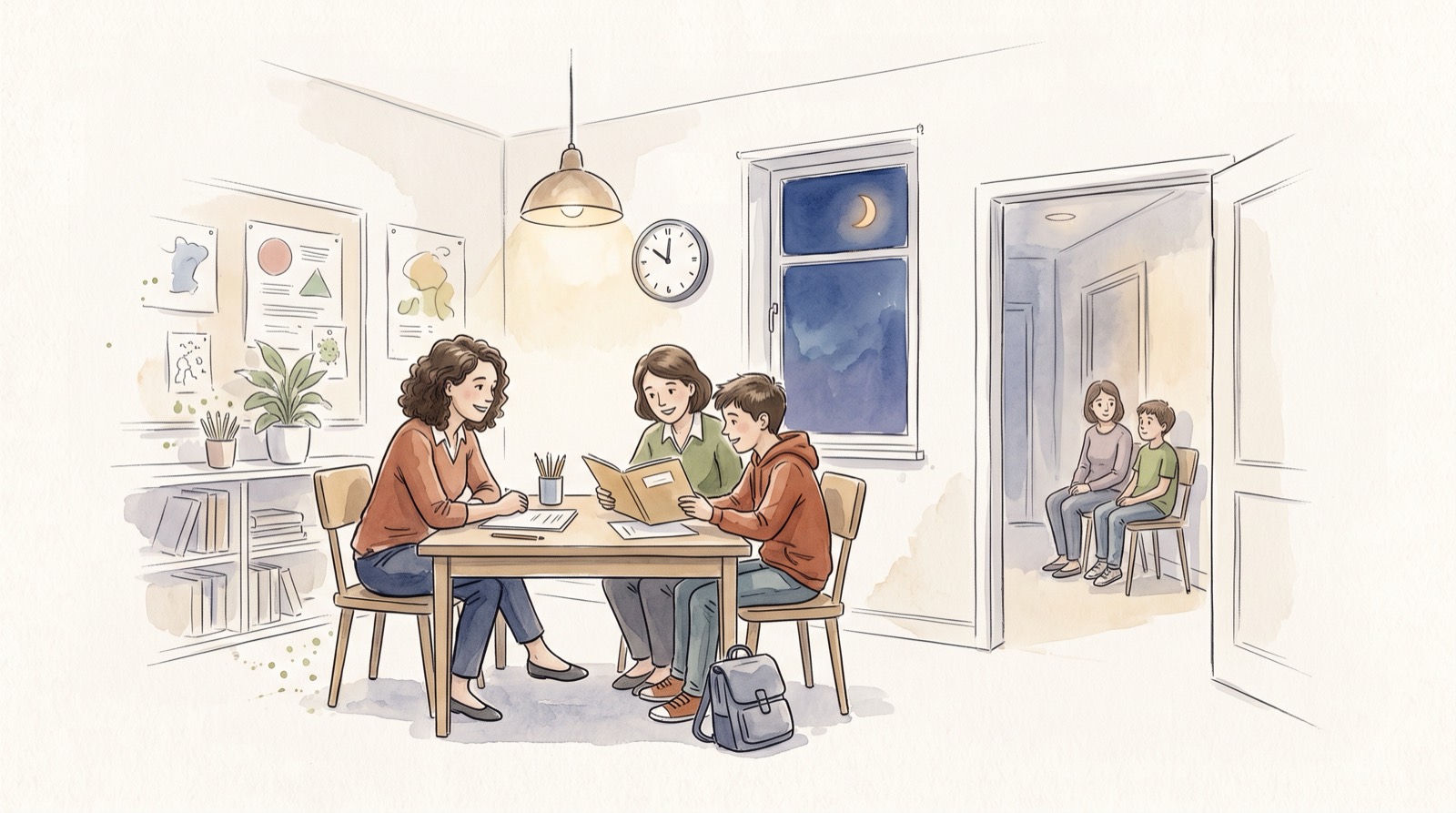
The exact split depends on the country, the region and the school's own rules. What matters is that it is written down, and that someone who may not decide can see who does — rather than deciding anyway because the family is standing in front of them.
Deadlines: decide what happens when nothing arrives
Many schools give families a number of days to excuse an absence. Without a rule for what happens after that, open absences pile up and are settled in a rush before reports. Agree three things:
- How the days are counted — school days or calendar days, from the first day away or from the day the student returns. A deadline should never fall before the student is back.
- What happens on the day after — the absence becomes unexcused, and the history says so in plain words: “unexcused — no excuse by the school's deadline”, with the date. It cites the school's rule, not a law.
- Who is told — the class teacher, and the family (or the student, once they are an adult).
Two safeguards keep this fair. A decision made before the deadline always wins. And a late excuse can still be accepted afterwards — the history then shows both lines, so nothing is rewritten.
Doctor's notes and paper
Rules on doctor's notes vary: some regions require one after a number of days of illness, some schools ask for one only in specific cases. Either way, three states are worth tracking separately: a note was asked for, a note was received, and the excuse is waiting for it. When paper is still needed, print it from the record — an excuse form with the days and lessons already filled in, and a reminder with the due date — so nobody copies dates by hand.
Exemptions are not absences
A student exempt from a subject — for medical reasons, or opted out of a lesson where that is allowed — is not absent from it. Mark the exemption once, grey the student out in that lesson's register, and leave them out of the attendance figures. Health reasons are among the most sensitive data a school holds: the class teacher and school management may need them, colleagues and families do not.
How Bildena handles absences
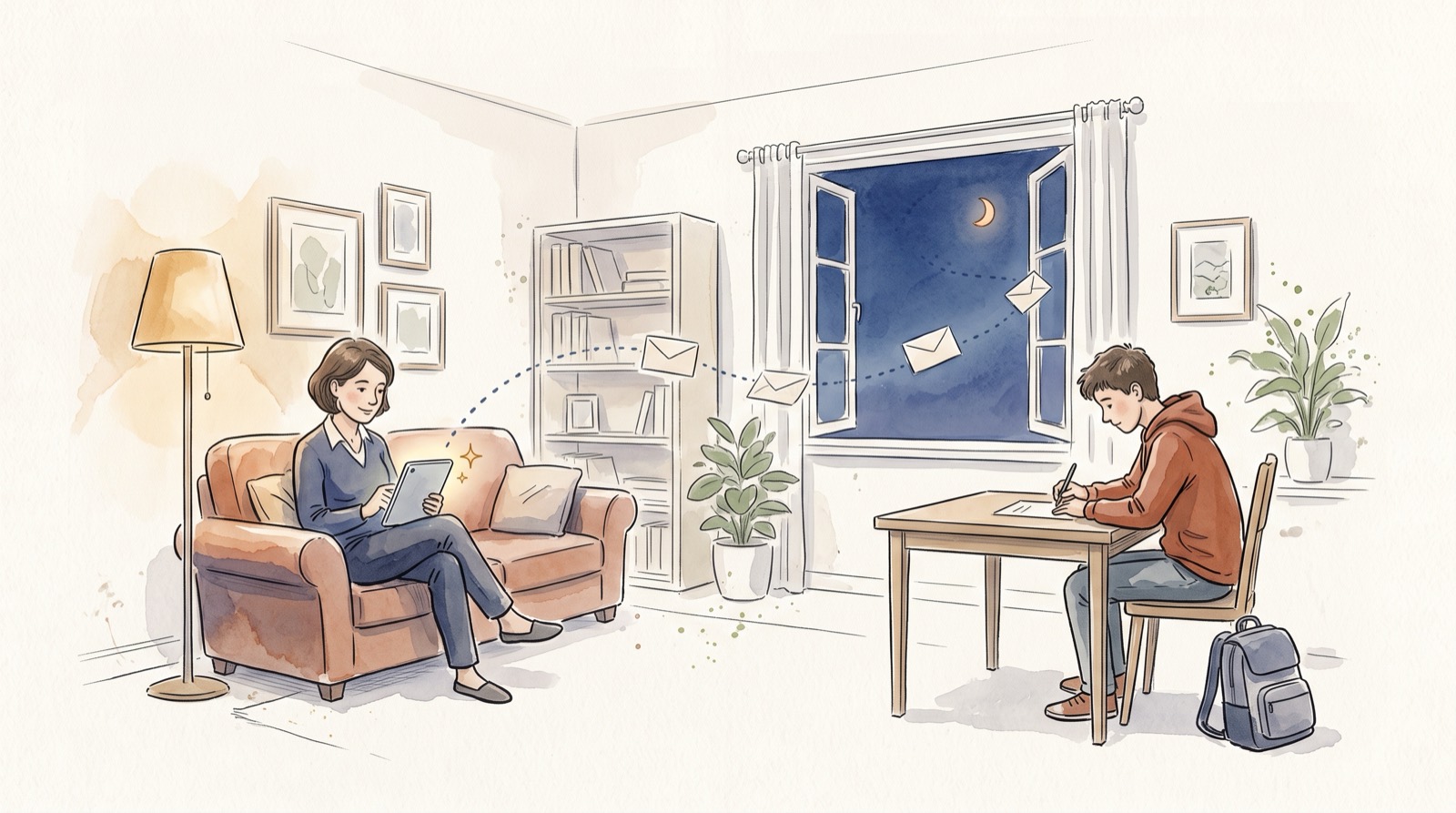
Reporting. Families report online in Bildena — child, when (today, part of the day, several days or a leave request), reason and an optional note to the class teacher — from today up to two weeks ahead. Adult students report their own. The office, the class teacher and management record absences with how the school was told. If the person recording is also the one who decides, the absence is excused at once; otherwise it waits for a decision.
The office's lists. “Nobody told us”, “Waiting for a decision”, “Unexcused” and “Over the limit”. A call to the family is logged in the absence's history.
The deadline. Once an hour, absences still undecided and unexcused on the day after the school's deadline turn unexcused, with a neutral line in the history; the class teacher and the family (or the adult student) get a message in Bildena. The days come from the school's own setting or its region's rule; with no deadline at all, nothing changes by itself. A school can switch the automatic step off, and the class teacher then decides.
Decisions and paper. “Not accepted” needs a written reason the family reads. Who may decide which reason follows the school's rules, and anyone who may not decide sees who does. Doctor's notes can be requested and marked received; the excuse form and the reminder print from the record.
Exemptions. Exempt students are greyed out and never counted absent. A health reason is readable by school management and the class teacher only; families never see the reason. When an exemption is withdrawn its reason is emptied after a set time — a year by default — while the record stays.
What it does not do. Families cannot report past days, and cannot upload a photo of a doctor's note. The automatic “unexcused” message reaches families in Bildena only — there is no e-mail or letter for it. Recording that a reminder was sent does not send one by itself. Many regional deadline rules are still marked for verification, so check your school's setting rather than relying on the default.
A short checklist
- Separate reported, excused and decided — in the record and in conversation.
- Call “absent, nobody told us” first, and log every call.
- Write down who decides which reason, and the day limits.
- Agree the deadline: how it is counted, what happens after, who is told.
- Never overwrite: a late excuse adds a line, it does not erase one.
- Give a written reason whenever an excuse is not accepted.
- Keep exemptions out of the absence figures, and health reasons out of sight.
None of this reduces the number of absences. It reduces the number of arguments about them — and makes the end-of-term report something the school can stand behind.
In Bildena, absences live in the register: the family's report, the office's call list, the deadline, the decision and the paper trail, each with its own line in the history.